Learn about the early symptoms of multiple sclerosis, risk factors, and how modern therapy enables a good quality of life with MS. Read more at www.regena.rs
When the immune system attacks its own nervous system
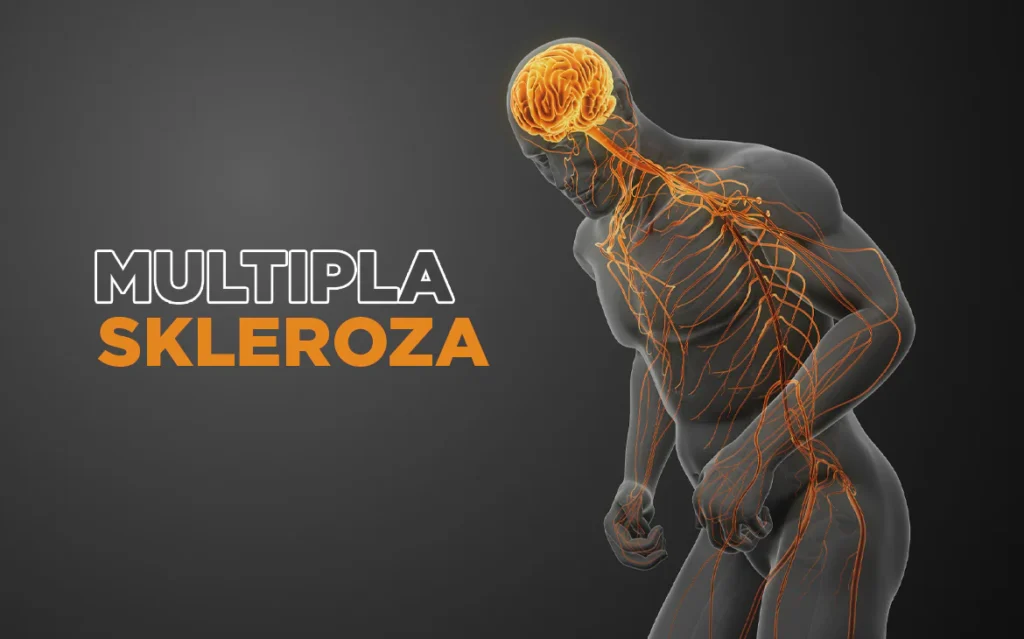
Multiple sclerosis (MS) is a chronic, inflammatory and neurodegenerative disease of the central nervous system that occurs when the immune system mistakenly attacks myelin, the protective sheath surrounding nerves in the brain and spinal cord. This disrupts the transmission of nerve impulses and leads to a wide range of neurological symptoms.
Who is affected and how common is the disease?
MS most commonly affects young adults between the ages of 20 and 40, and women are affected two to three times more often than men. Around 2.8 million people worldwide live with MS, while it is estimated that there are approximately 10,000–12,000 people with the disease in Serbia.
Risk factors:
The disease is neither contagious nor directly inherited, but there is a genetic predisposition—if someone in the family has MS, the risk is slightly higher.
In addition to genetics, environmental factors, low vitamin D levels, smoking and certain viral infections, particularly infection with the Epstein–Barr virus, are also considered risk factors.
What are the early symptoms that should not be ignored?
Multiple sclerosis is often called “the disease with a thousand faces” because symptoms vary from one patient to another, depending on which part of the central nervous system is affected.
Most common early symptoms:
- Tingling and weakness in the arms or legs
- Vision problems (blurred or double vision)
- Loss of balance, dizziness
- Urinary problems
- Difficulty with concentration
- Chronic fatigue
Symptoms can appear suddenly and last for days or weeks, then subside, which makes early diagnosis difficult.
Without timely and adequate treatment, permanent damage may develop over time.
That is why it is important for people who notice unusual neurological symptoms to seek advice from a neurologist.
Treatment
Good news: modern treatment represents a new era in the fight against MS
The natural course of the disease, without treatment, inevitably leads to disability.
However, over the past 20 years, enormous progress has been made in MS treatment. Today, numerous immune system modulators and biological immunosuppressive drugs are available that slow disease progression, reduce the number and severity of relapses, and improve quality of life.
Treatment is tailored to each patient depending on the form and severity of the disease, the presence of relapses, MRI findings and other factors.
Alongside pharmacological therapy, physical activity, occupational therapy, psychological support and a healthy diet also play an important role.
Message of hope – multiple sclerosis is no longer seen as a “scary disease”.
Multiple sclerosis remains a serious condition, but today it is diagnosed earlier, treated more effectively and monitored more precisely than ever before. Many patients, with appropriate timely therapy and support, live active, capable, functional and fulfilling lives for decades.
That is why it is important to talk about this disease – without stigma and fear, but with knowledge, understanding and optimism.
Do not ignore symptoms. Schedule a consultation with our team of neurologists.