
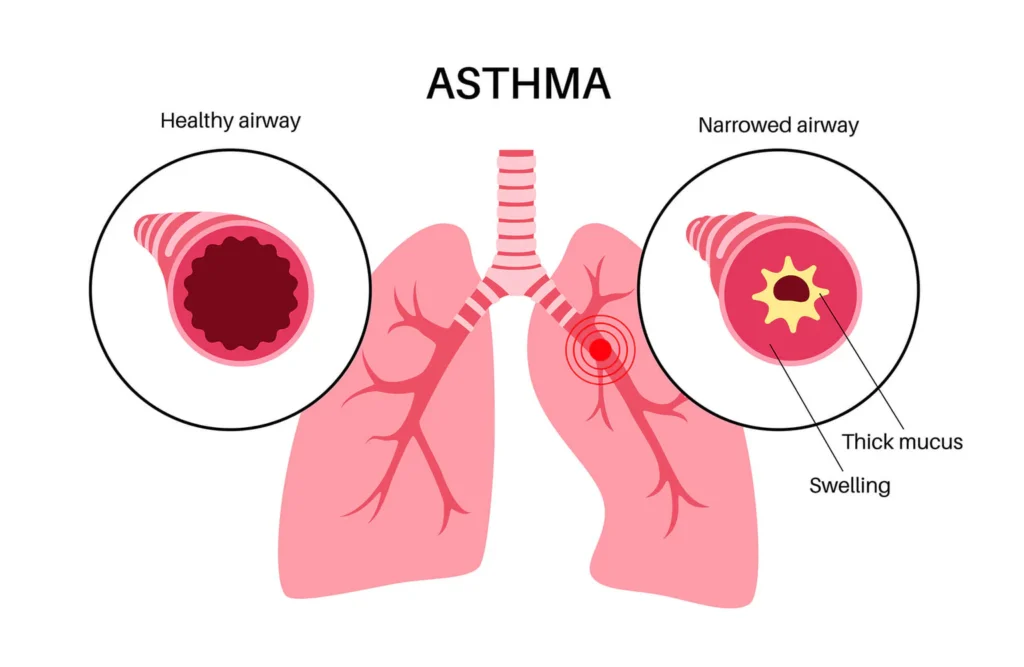
Winter can be a challenging season for people with asthma. Cold air can irritate the airways and trigger an inflammatory response, which further leads to narrowing of the lower airways and increased mucus production.
The result of such a reaction includes symptoms of difficulty breathing, coughing, wheezing in the chest, or tightness with a feeling that the lungs are “narrow”. This reaction can also be triggered in the upper airways (nose and sinuses), causing nasal congestion and postnasal drip, which leads to more frequent inhalation and mouth breathing, which is not recommended. However, the most common reason for asthma symptom worsening during the winter months are respiratory infections caused by viruses (colds, flu, etc.). In such cases, symptomatic treatment is recommended, primarily for the upper airways, using analgesics, decongestants, antioxidants, along with abundant hydration, i.e. warm drinks and water.
Vaccination against seasonal flu in the autumn period is certainly recommended, especially for older individuals, in order to avoid more severe clinical deterioration. Symptoms of viral infection usually last briefly, but in people with asthma they can trigger a prolonged immune response and a lingering reaction in the airways (post-viral syndrome). If symptoms do not subside even after seven days from onset, a doctor should be consulted to adjust the treatment plan.
It is important that people with asthma recognise signs of worsening in time so that appropriate measures can be taken to improve control of this chronic inflammatory disease.
Given that during the winter months we spend more time indoors, increased hygiene of work and living environments is recommended, frequent washing and disinfection of hands and rooms, fighting allergens such as house dust, mites and mould, controlling humidity levels (which during the heating season are usually low and irritating), and regularly ventilating rooms where we stay for long periods.
There is no reason why people with asthma should not enjoy the winter season, but it is necessary to prepare in time and follow the recommendations of their pulmonologist.
Asthma is a chronic disease affecting over 300 million people worldwide, living in different geographical and climatic regions, each with their own specific circumstances. However, with modern diagnostics, the therapeutic approach is also changing, focusing on the needs of each patient individually, and through many years of raising awareness and spreading knowledge about the disease, patients themselves have contributed to better control of asthma.
In recent decades, new challenges in asthma management have emerged due to climate change and global warming of the Earth’s atmosphere, i.e. the so-called greenhouse effect caused by increased production of anthropogenic gases such as carbon dioxide, methane, nitrogen oxide, ozone and others.
The allergenicity of pollen increases through chemical reactions with ozone and other harmful emissions, especially in urban areas where air pollution is high. Such effects can also be observed during the winter period, but are more pronounced in transitional seasons and at the beginning of the heating season.
Let us look forward to spring and be prepared.
Do not let asthma hold you back from enjoying winter pleasures. If you notice that symptoms last longer than seven days, schedule an examination with our specialist team.